RSS

Why Poly-B Plumbing Comes Up So Often When Selling a Home (And What Sellers Can Do About It)

If you’re thinking about selling your home and it was built in the 80s or 90s, there’s a question that almost always comes up.

Usually during the home inspection.

Sometimes even before the showing.

“Does the house have Poly-B plumbing?”

And if the answer is yes… it often becomes the biggest conversation in the entire deal.

I’ve seen it many times in Calgary real estate. A home can show beautifully, the buyers love it, the offer is strong… and then the inspection finds Poly-B.

Suddenly buyers start wondering:

  • Is this a problem?

  • Is it expensive to fix?

  • Will insurance cover it?

  • Should we renegotiate?

So let’s talk about why Poly-B comes up so often, what the real concerns are, and most importantly what sellers can do about it before going to market.

Because dealing with it before you list can often save you a lot of stress later.


What Is Poly-B Plumbing?

Polybutylene plumbing (often called Poly-B) was widely used in homes built between the late 1970s and the mid-1990s.

At the time, it was seen as a great option because it was:

• inexpensive
• flexible
• quick for builders to install

Instead of copper pipes, builders could install this grey plastic piping quickly and efficiently.

If you’ve ever seen Poly-B, it’s usually:

  • grey (sometimes blue) plastic piping

  • often visible near your hot water tank

  • commonly found in mechanical rooms or basements

Many homes built during Calgary’s big growth years in the 80s and 90s still have it.

And for years, most homeowners never thought twice about it.


Why Poly-B Comes Up So Often During Home Sales

The reason Poly-B becomes such a big conversation during real estate transactions really comes down to risk and uncertainty.

Even if the plumbing is working perfectly today, buyers, inspectors, and insurers all look at it a little differently.

1. Insurance Can Be Complicated

Some insurance companies are hesitant to insure homes with Poly-B plumbing.

Others will insure it but may:

  • increase premiums

  • require replacement within a certain time frame

  • or request documentation about the plumbing system

If buyers struggle to secure insurance, it can delay or even jeopardize a sale.


2. Home Inspectors Always Flag It

A good home inspector will almost always mention Poly-B in their report.

Even if it’s functioning properly, most inspectors will recommend:

“Further evaluation or replacement.”

Once that note appears in an inspection report, buyers often start thinking about the cost and potential risks.


3. It Often Becomes a Negotiation Point

Once Poly-B shows up in an inspection report, it frequently turns into part of the negotiation.

Buyers may ask for:

  • a price reduction

  • a credit toward replacement

  • or full replacement before possession

And here’s the interesting part…

Negotiating it after an inspection often costs sellers more than addressing it before listing.


Why Poly-B Plumbing Can Fail

The biggest issue with Poly-B isn’t that it always fails.

It’s that when it fails, it can fail suddenly.

Polybutylene can degrade over time due to chemical reactions inside the pipe.

Municipal water systems use disinfectants like chlorine, which can slowly react with the material and weaken it.

Over many years, the pipes can:

  • become brittle

  • develop small fractures

  • or crack unexpectedly

The challenge is that these failures often happen without warning, which is why insurers and buyers treat it cautiously.


What Does It Cost to Replace Poly-B?

The cost varies depending on the size and layout of the home, but in Calgary most full replacements fall somewhere around:

$6,000 – $15,000+

Factors that affect cost include:

  • square footage

  • number of bathrooms

  • accessibility of plumbing

  • drywall repair after installation

While it’s not a small project, it’s often manageable — and many homeowners complete it in a day or two with experienced plumbers.


Why Sellers Often Replace It Before Listing

Many homeowners hope buyers won’t notice Poly-B.

In reality, it’s almost always discovered.

When sellers replace it before listing, it can create several advantages.

Stronger Buyer Confidence

Buyers feel more comfortable making offers when they know a major system has already been updated.


Smoother Negotiations

Instead of lengthy inspection discussions, buyers can focus on the home itself.


Easier Insurance for Buyers

When the plumbing has already been replaced, buyers typically have no issues securing insurance.


Better Marketing

Instead of being a concern, it becomes a feature.

“Poly-B replaced” is something buyers actually appreciate seeing in a listing.


What Sellers Should Consider Before Going to Market

If your home has Poly-B plumbing, there are a few ways to approach it.

Replace It Before Listing

This is usually the cleanest option and removes it from the negotiation entirely.

Price the Home With It in Mind

Some sellers choose to price the home slightly lower and allow buyers to deal with it later.

Be Transparent

Open communication and disclosure help avoid surprises during the inspection.


The Bottom Line

Poly-B plumbing has become one of the most common issues that surfaces during home sales — not because every system fails, but because buyers, inspectors, and insurers treat it as a potential risk.

For sellers, understanding it early can make a big difference.

Addressing it before listing often leads to smoother negotiations, stronger buyer confidence, and fewer surprises once the inspection happens.

And when you’re selling a home, fewer surprises is always a goo

Read

Calgary Real Estate Market Update – February 2026

My 3 Takeaways From February’s Calgary Market

Detached homes are still in short supply, especially under $700,000.
Condos currently offer buyers more choice as inventory continues to rise.
Overall Calgary remains balanced, but every property type is behaving a little differently right now.

If you're wondering what these trends mean for your home or neighbourhood, feel free to reach out anytime — I always love talking real estate.

Every month I like to break down what’s happening in Calgary’s real estate market so buyers and sellers can understand what the numbers actually mean in real life.

February showed that Calgary continues to have different market conditions depending on the type of home. Detached and semi-detached homes remain fairly tight on supply, while apartment-style condominiums are seeing higher inventory levels and giving buyers more choice.

Overall, the city’s housing market is currently sitting in balanced territory, with roughly three months of supply and a sales-to-new-listings ratio of 55%.

In February there were 1,526 homes sold across Calgary, which is about 11% lower than the same time last year, largely due to slower activity in the condo and row-home segments.

Inventory across the city rose to 4,822 homes available for sale, with condominiums and row homes making up more than half of the available listings.

The benchmark price for all residential properties in Calgary is now $560,500, which is 1% higher than January, but still 4% lower than this time last year.

Let’s take a closer look at what’s happening in each segment of the market.


Detached Homes

Detached homes remain one of the tighter segments of the Calgary market, particularly for homes priced below $700,000, where supply continues to be limited.

In February there were 736 detached home sales and 1,269 new listings, bringing the months of supply to just under three months, which is considered a balanced market.

Conditions vary across the city, however.

The West district currently has the tightest conditions, with less than two months of supply, while the North East district is seeing higher inventory levels, which has prevented price growth in that area.

The benchmark price for a detached home in Calgary is $734,300, which is just over 1% higher than January, but still 3% lower than February of last year.

The City Centre and West districts were the only areas to see both monthly and year-over-year price increases.


Semi-Detached Homes

Semi-detached homes experienced tighter conditions in February, with supply levels dropping to the lowest of all property types.

There were 175 sales and 253 new listings, pushing the sales-to-new-listings ratio to 69% and reducing the months of supply to 2.4 months.

Because supply is tighter in this segment, prices have started to show modest gains.

The benchmark price for a semi-detached home reached $682,200, which is over 2% higher than January and roughly in line with prices from this time last year.

Price trends varied by district. Areas like the City Centre, North West, and West saw price growth, while some other districts experienced slight year-over-year declines.


Row Homes

The row-home market saw a pickup in activity in February.

Sales increased to 270 homes, while 491 new listings came onto the market. This helped bring the sales-to-new-listings ratio to 55%, which is generally considered balanced market conditions.

While inventory levels increased, stronger sales helped reduce the months of supply from over four months in January to just over three months in February.

The benchmark price for row homes rose to $423,600 in February, which aligns with typical seasonal price increases early in the year.

However, prices are still about 5% lower than February 2025, with noticeable differences across the city. The North East and East districts saw the largest price declines, while the West and City Centre areas remain closer to last year’s pricing levels.


Apartment Condominiums

The condo market continues to offer the most options for buyers.

Even though new listings slowed slightly in February, there were still 753 new listings and 345 sales, keeping the sales-to-new-listings ratio relatively low at 46%.

Inventory rose to 1,580 condo units available for sale, which pushed the months of supply to well over four months.

This higher level of supply is continuing to put pressure on prices.

The benchmark price for an apartment-style condominium dropped to $298,600, which is about 1% lower than January and more than 9% lower than February of last year.

Supply levels also vary significantly depending on location. Some areas like the North East currently have over 11 months of supply, while the South district is closer to four months.

Across the city, the North East, East, and South East districts have seen the largest year-over-year price declines, with drops exceeding 10%.


Regional Market Snapshot

Airdrie

Airdrie saw 122 sales and 236 new listings in February, bringing the sales-to-new-listings ratio to 52%.

Inventory levels increased slightly compared to both last month and last year, but the market remains relatively balanced with just over three months of supply.

The benchmark price in Airdrie is $512,200, which is similar to January but still 5% lower than this time last year.

Part of this adjustment is due to increased competition from new home construction and growing supply in surrounding communities.


Cochrane

Cochrane experienced steady activity in February with 91 sales and 154 new listings, resulting in a sales-to-new-listings ratio of 59%.

Inventory levels remained fairly stable, and the market is now sitting in balanced territory with around three months of supply.

The benchmark price in Cochrane reached $553,500, slightly higher than January, but still about 3% lower than last February.


Okotoks

Okotoks continues to have relatively tight market conditions.

While new listings increased in February, sales slowed slightly, allowing inventory to rise modestly. Even so, the market still has less than three months of supply, which keeps conditions fairly competitive.

The benchmark price in Okotoks reached $612,300, which is 2% higher than January and similar to prices seen this time last year.


Lindsay’s Take

What we’re seeing right now is a very segmented market in Calgary.

Lower-density homes like detached and semi-detached properties are still seeing tighter supply, particularly in more desirable areas and price ranges.

At the same time, condominiums are experiencing higher inventory levels, giving buyers more negotiating power and more options to choose from.

For sellers, presentation and pricing strategy are becoming increasingly important in today’s market. And for buyers, the opportunities will vary depending on the property type and location.

If you’re curious about what these trends mean for your specific home or neighbourhood, I’m always happy to chat.


Lindsay Winship
Winship & Associates | Royal LePage Solutions

Read

Canadian Home Decor Trends for 2025

As we dive into 2025, Canadian home decor is taking on some fun and fresh vibes. This year, it’s all about blending timeless charm with modern twists, making our spaces not just stylish but also practical and eco-friendly. Here’s what’s hot in Canadian homes this year:

1. Sustainability is Key

Going green is still a big deal! More people are choosing eco-friendly materials and furniture. Think reclaimed wood tables, organic fabrics, and even solar-powered lights. It’s all about looking good while doing good for the planet. You’ll see lots of energy-efficient gadgets and upcycled decor too.

2. Earthy Colors and Natural Vibes

The color game in 2025 is all about earthy tones. Picture soft browns, gentle greens, and cozy terracottas. These shades make your home feel warm and welcoming. Natural materials like stone, clay, and wood are popping up everywhere, from floors to walls, giving homes a cool, grounded feel.

3. Versatile Spaces

With more of us working from home, our spaces need to multitask. Think home offices that turn into guest rooms or living rooms that can also be your workout spot. Furniture that does double duty, like sofa beds or extendable tables, is super popular right now.

4. Smart Home Tech

Smart homes are getting even smarter! From voice-controlled lights and thermostats to high-tech kitchen gadgets, tech is making life easier. Canadians are loving smart security systems, automated blinds, and even AI helpers that keep daily tasks in check.

5. Bringing Nature Indoors

Bringing the outside in is a big trend. Huge windows that let in lots of light, indoor plants, and even living walls are all the rage. This trend not only looks great but also helps boost your mood and well-being.

6. Vintage and Handmade Touches

There’s a big love for vintage and handmade goodies. Unique pieces like handwoven rugs, antique mirrors, or custom pottery add a special touch to homes. These items tell a story and make spaces feel extra personal.

7. Cozy Minimalism

Minimalism is still going strong, but it’s getting cozier. The trend now is "warm minimalism," which mixes clean, simple spaces with personal touches. Think fewer things but with more meaning, like family photos or travel keepsakes, to make your space feel comfy and lived-in.

8. Bold Statement Pieces

Making a statement is in! Bold pieces like a colorful sofa, a big piece of art, or an eye-catching light fixture can really make a room pop. These standout items bring character and energy to your home.

9. Outdoor Living Love

Canadians are putting more love into their outdoor spaces. Patios, balconies, and gardens are becoming cozy extensions of our homes. Stylish, durable outdoor furniture, fire pits, and even outdoor kitchens are big hits, making outdoor spaces perfect for relaxing or entertaining.

10. Supporting Local Artisans

There’s a growing trend of supporting local artists and designers. People are seeking out unique, high-quality decor from Canadian makers. It’s a great way to add some local flavor to your home while supporting the community.

In a nutshell, Canadian home decor trends for 2025 are all about creating spaces that look great, work well, and feel right. By tapping into these trends, you can make your home a true reflection of your style and values.

Read

Market Update August 2024

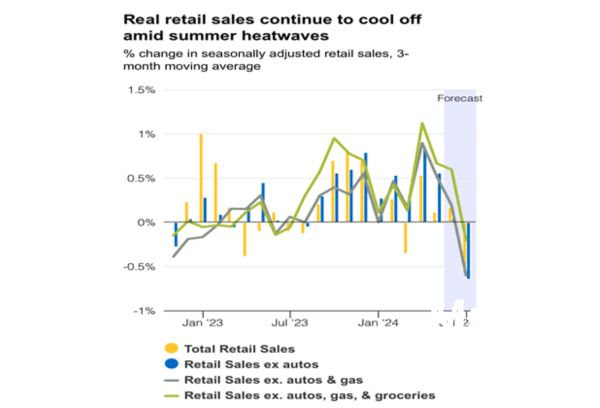
If you have a moment, I would like to take the time and explain how weak retail sales in Canada might influence the Bank of Canada’s decision on interest rates, September 4th. Recent retail sales data shows Canadians are struggling because of high interest rates. People are hoping that future rate cuts will make mortgages cheaper and cost of living more affordable. For now, spending is low, but it might get better in 2025 if rates go down.


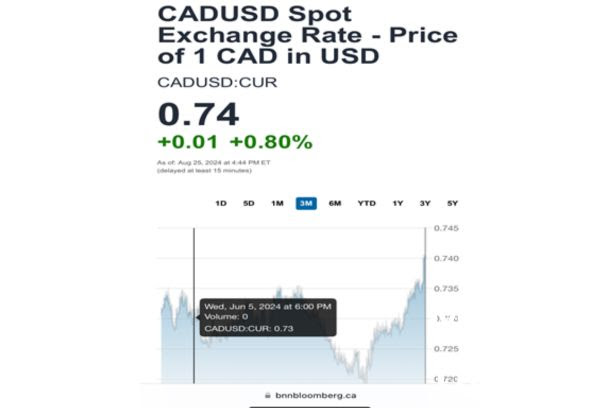
The Canadian Dollar is now worth $0.74 US, a little stronger than before. This could give the Bank of Canada some flexibility. Consumer spending is very important, making up 60% of Canada’s economy. Even though our population is growing quickly, retail sales are not. In June, retail sales went up by just 0.2%, which is much lower than the usual growth rate of 4.69%. This shows Canadians are buying less.


There are also over 1 million mortgages coming up for renewal in 2024, and higher rates mean higher costs for homeowners. This is causing people to cut back on spending, which affects the economy.

Consumer spending continues to show signs of stress as many wait for the impact of the Bank of Canada (BoC) rate cuts to filter through to mortgage interest costs. Interest rates are still high. Canadians renewing fixed-rate mortgages in 2024 still face significantly higher rates, which will cut into broader purchasing power.

However, as the BoC continues its path to lower rates, mortgage holders will feel some relief and at least partially restored purchasing power upon renewal. We expect consumption will remain soft (relative to still-strong population growth) over the second half of the year before picking up in 2025 as the BoC continues to ease monetary policy

September 4th  Will we see a cut of 0.25% or a cut of 0.50% or nothing? We’ll have to wait and see. 

The Canadian Dollar is $.74 US. Bloomberg graph below. June 5th (prior to first Bank of Canada cut) was $.73. After two decreases and zero Federal decreases, it’s stronger; 1 penny, but still stronger.

The next Bank of Canada rate announcement is next Wednesday September 4

Debra Carlson

Mortgage Connection

TEL: 40324536363

FAX: 

EMAIL: debra@mortgageconnection.ca

debracarlson.com

Read

It’s 2024 and here is what you need to know!

It is the beginning of another year and as we prepare for the coming months, it is a privilege to keep you all “in the know”. We expect the interest rates to hold steady or even lower over the next 6 months or so. With this said, be prepared for a staggering amount of activity and competition amongst buyers should the rate lower even slightly.

  1. Price increases are not over. We are expecting an 8% increase over the next 12 months.

  2. We hope to see a New Year surge of new listings come on the MLS over the next few weeks.

  3. The great Calgary Migration continues!

As December wrapped up, we were left with about 45 days’ worth of inventory with the average listing in Calgary being on the market about 33 days. Our sales again exceeded our new listings so our inventory continues to struggle. With the new year and the holidays behind us we expect new listings to finally hit the market. This is good news for those that have been seeking and hoping to find a home under the current conditions.

Do I buy now or wait for an interest drop?

There are a couple of things to consider here. First of all, with continued migration to Calgary and ongoing low inventory levels we are expecting an 8% increase in home prices over the next 12 months. With just that consideration alone it would be prudent to get in quickly. The other consideration is that as soon as there is a drop in Canada’s prime rate, there will be a flurry of offers on that exact property that you are hoping for. This type of activity is what is going to drive prices up this year. So, the short answer is no, do not sit on the fence. In 2024 the early bird gets the worm.

What if I have a home to sell?

What’s important to remember here is if you are buying in the same market that you will be selling in, you want to be in the market when there are other homes available for you to purchase whether you are moving up to a larger home or downsizing. It is the entire picture that is important. Yes, we want to optimize your net sales proceeds, but you will also want to consider the market environment you will be negotiating your purchase in.

“Sales in 2023 did ease relative to last year’s peak, but with 27,416 sales, levels were still far higher than long-term trends and activity reported before the pandemic.” -CREB

Our benchmark Price $570,100

We finished our 2023 with a 10.7% price increase over 2022. Our current inventory rests at around 2200 homes available in the city of Calgary. That is a 44% decline over the 10 year average. Translation? Very low!

Read

"Understanding Interest Rates: A Guide for Prospective Buyers"

October 25th the Bank of Canada released their highly anticipated announcement about interest rates and, as anticipated, they decided to hold their target for the overnight rate at 5%. Although this is disappointing for some buyers looking for lower interest rates, it isn't shocking. When will interest rates start to come down? Well, hopefully the rates will begin to drop starting in 2024. Randall Bartlett, senior director of Canadian economics at Desjardins recently shared his thoughts as follows.

“It seems that the Bank is confident it has done enough to gradually bring the Canadian economy back to balance. And we agree.
 For now, the Bank of Canada is in a waiting game to see the impact of past hikes on economic activity, he added.
 “Once the Bank’s satisfied that the economy has slowed enough to support a gradual return of inflation to its two per cent target, we expect it to begin cutting interest rates. This may happen as early as the first quarter of 2024,” Bartlett wrote.

What does that mean for the real estate world?  For realtors like me, knowing spring/summer is always the busiest time of the year, it means that with interest rates starting to drop, we are going to be working overtime in 2024.
The moment interest rates start to fall, all the buyers who have been waiting to make that move, will start shopping.  There is no forecast that shows increased supply (more homes coming to market).  In fact, more out of province buyers are still moving in, while home owners are staying put. With continued low supply, prices will start to go up yet again.

We complain in Calgary about our prices here in the city but we are still considered one of the most affordable cities to invest in and move to. 

Check out these stats:

Calgary has the second most affordable housing market – behind Edmonton – of all major Canadian cities (Demographia International Housing Affordability, 2023 Edition).
Calgary has the lowest cost of living of the five Canadian cities – Ottawa, Montreal, Toronto and Vancouver – included in Mercer’s 2023 Cost of Living Index.
Calgary is among the world’s top 25 most affordable cities for housing, compared to 94 cities in Australia, Canada, China, Ireland, New Zealand, Singapore, the United Kingdom and the United States (Demographia International Housing Affordability, 2023 Edition).

Crazy, right?

That is why we are seeing so much migration to our beautiful city. Buyers who are cashing out on their major gains in other provinces are coming to invest here, often buying with cash, pushing many buyers to feel they need to cut corners in order to get a home. (Not recommended but that's another blog about how to stand out in a crazy market and score a home even with conditions.)
What's another problem we are facing in this city that is causing people to start saving for that downpayment? Major rental rate increases. Rents rose 18.4% this year.
That's insane.
We have seen an incredible shift in a market that many people have now found themselves stuck in. Rent has gone up for a couple reasons. Mortgages are more expensive, low supply, higher demand, and opportunity. Period. 

So what should you do? If you are stuck in the rental rat race, I would suggest a couple things. Get in touch with an incredible mortgage broker and figure out exactly where you stand and what you need to do to be ready to buy your first home. Make that plan. Set the goal.
Manage your expectations for your very first home.  We are no longer seeing as many buyers start out with a stand alone home. In fact, you may start with a one or two bedroom condo. But whatever you do, stay within your budget, put your monthly cash flow into your own investment and remember, this is a step forward to where you want to be.  If you can make your investment this winter, do it. The market is quiet(er) right now. Discuss variable mortgages, or shorter mortgage commitments so that when rates drop, you can reap the benefits immediately as well as enjoy the equity you will build as the market takes yet another upturn.

If you want to discuss your situation more specifically, give me a call. Professionals are here waiting to help guide you to every resource you need. Take control of your money. Get informed. The biggest moves of your life always start out with a conversation.

Lindsay Winship
Winship&Associates
403-831-3303
lwinship@royallepage.ca

 
Read
Data is supplied by Pillar 9™ MLS® System. Pillar 9™ is the owner of the copyright in its MLS®System. Data is deemed reliable but is not guaranteed accurate by Pillar 9™.
The trademarks MLS®, Multiple Listing Service® and the associated logos are owned by The Canadian Real Estate Association (CREA) and identify the quality of services provided by real estate professionals who are members of CREA. Used under license.